How to Build in “The Creator Economy” and Keep Your Authenticity Intact
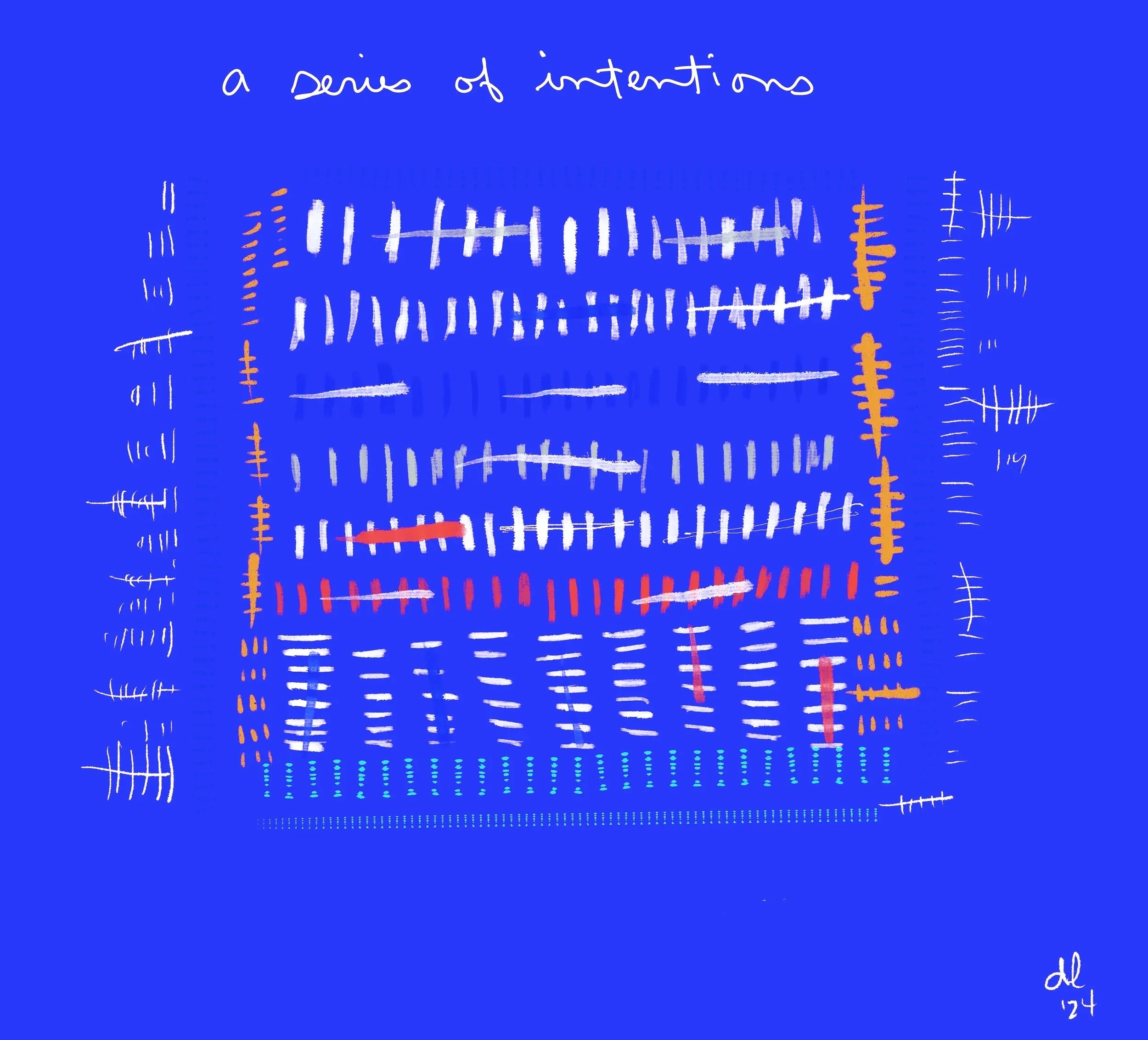
One of my sketches (created on an iPad using Procreate
Crafting genuine content in a world of clicks, clichés and fluff metrics
In early 2022, I left the rat race of climbing corporate ladders and increasing annual salaries. It was not a simple or easy decision. We have three kids, an active lifestyle, a mortgage, and so on.
But it was a necessary decision — and it was one driven by a deep desire to live more authentically. To live on purpose. Therefore, I walked away. Cold turkey (an approach not recommended by 99.99% of experts).
What is Authenticity?
In 2023, “Authenticity” was chosen as word of the year by the folks at Merriam-Webster Dictionary. [*sources at end of story]
In their rationale, they suggested authenticity is “something we’re thinking about, writing about, aspiring to and judging more than ever.” (In comparison, their word of the year in 2021 was “vaccine” and in 2020 it was “pandemic”)
Linked to the announcement, Merriam-Webster said in late 2023:
“We see in 2023 a kind of crisis of authenticity…What we realize is that when we question authenticity, we value it even more.”
I agree fully with this notion.
Questioning my personal authenticity and whether I was living authentically led me to walk away from six figures annually, good benefits, and succession planning that forecasted me scaling further in senior leadership roles and securing more annual salary.
Living my Authentic?
Through 2023 and into 2024, I’ve watched the word authentic get blasted all over the place. I’ve explored it in various published posts (on social media) and other published writing. And — as an educator, EduCreator, and Solopreneur digital writer — I think about it frequently.
When I walked away from corporate employment, many said I was nuts. And that’s fair, as it’s a view from other’s contexts and lives. This highlights some of the sticky business with definitions of Authenticity.
I wanted to be living far more authentic to me — and toxic workplaces were not supporting that (in the least). I set out to establish digital writing businesses from scratch. I’m now almost two years in.
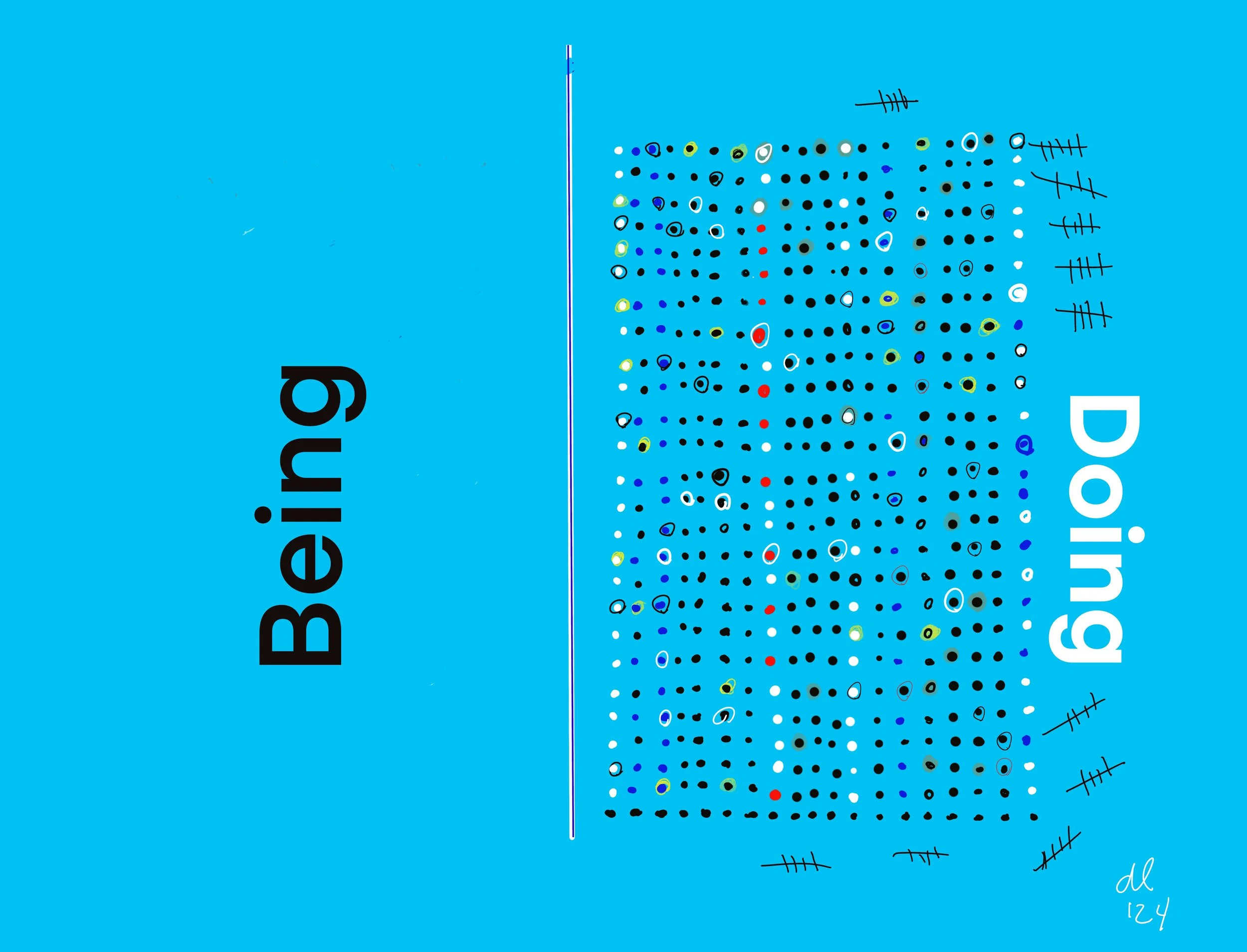
Doing and Being on Auto
The etymology of Authenticity is comprised of two root words, ‘auto’ and ‘hentes’.
Auto arose from Greek with unknown origins before that. It refers to the Self, or ‘on one’s own’. (This is most likely well-recognized by most people)
The other Greek word is hentes, which is related to “doing and being.” Some suggest this word comes from a root word going back thousands of years — *sene meaning “accomplish or achieve” (Online Etymology Dictionary).
This evolution of the word across time is why it has a few definitions and varies depending on context. Merriam-Webster defines it as:
1. Not false or imitation
2. True to one’s own personality, spirit, or character
3. A worthy acceptance or beliefs conforming to or based on fact
4. Conforming to an original so as to reproduce essential features
5. Made or done the same as an original
Complicated word indeed, with almost conflicting definitions. This is messy, murky, and muddled… plus paradoxical.
The Paradox of Authenticity
“Doing” and “being” in its roots means that authenticity has a valuable paradox extending into all of our lives. Doing and being are two different things, but they are also complementary.
And, thus, some puzzling questions cycle around in my head:
How does one authentically create authentic content (e.g. as a digital writer in The Creator Economy or otherwise)?
How can, or do, each of us as individuals acting on our own authority (see definition above) create original and genuine material?
I’m not sure I’ve arrived at an answering stage for these questions just yet. However, what I have are my experiences up to this point in my life — including events leading to my no-parachute launch into becoming a Solopreneur digital writer.
What I’ve arrived at (for now) is:
Authenticity is intended to mean each of us (as a Self) doing and being in our individually authentic and genuine ways.
How about you — do you have a sense or definition of what authenticity means for you?
Building Digital Writing Businesses
As I’ve built digital writing businesses for close to two years — including, to income beyond the 6-figures annually that I left behind. Plus, Co-founded a little educational startup with my wife (Humanity Academy), I am thinking about authenticity and sharing authentic content almost daily.
This can pose some challenges (in business), as my perspectives don’t resonate with everyone. I tend to push against the status quo and that doesn’t work or resonate with everyone. However, that’s also why my newsletter and publication is called Box Cutter Co.
Being authentic can often mean making difficult decisions, disagreeing with people in power-holding positions, and speaking one’s own truths.
This is often easier said than done — and in navigating The Creator Economy there are a lot of suggestions, advice, and ‘how-to’ manuals telling content creators that they should publish content that is more about their apparent ‘audience’ than about the creators themselves.
You have surely seen the advice, for example, “know your audience” and “write to your audience” — marketing directives held over from pre-Internet days.
I’m often left wondering:
What really is an “audience” in the algorithm-driven world of social media?
There are also all sorts of directives in The Creator Economy to study the analytics. To pay deep attention to things such as: Likes, Subscribers, Impressions, Engagement, and so on and so on.
Heed this with caution and an eye to calling bullshit (when needed).
Attrition in “The Creator Economy”
For almost two years, I’ve been studying, building and engaging within The Creator Economy. In that time, I have seen far more people disappear and fade away than I have seen “make it” — or even stay engaged. And the stats support this.
Not quite a year ago, the online learning platform Thinkific and its offshoot The Leap, published a report on The Creator Economy. I like their definition:
“The Creator Economy consists of a vast group of people with unique expertise, skills, and personalities who use digital platforms to build revenue streams.”
They suggest there are over 200 million Creators and highlight numbers suggesting that The Creator Economy is worth over $250 Billion US annually and growing rapidly (~30% per year).
However, it’s important to keep in mind, they also point out that almost 70% of Creators have less than 10,000 Followers/Connections. And, about 50% of ‘Creators’ make around $15,000 per year.
Important statistics when media (and social media) are full of stories of those that “made it big”. Various platforms are full of headlines about 6-figure and 7-figure incomes made by so-and-so Creator and Influencer.
These are the very few survivors. It’s called “Survivorship Bias” as not mentioned are the vastly greater number of Creators who got snuffed out and fizzled along the way.
The folks at The Leap also suggest in their report: “Those who’ll see the most success are those who are genuine and honest.”
There it is… Authenticity.
However, I see another paradox here, and I’ll frame it as a question:
If those that “see the most success” are genuine and honest, does this mean the huge levels of attrition are because too many people entering The Creator Economy and fizzling are not “genuine and honest” (e.g. authentic)?
I’m not so sure about that, what do you think? Might it be the prevalence of advice on tracking metrics?
Too Many Bullshit-Mountain Metrics in Online Environments?
In almost two years of navigating online environments almost daily, I have seen far too much pushing, propagating, and peddling of what I refer to as Bullshit-Mountain Metrics.
Many creators who have found some success and now sell courses about ‘how to build online’ — as well as, new creators that fancy themselves experts — circulate all sorts of stories about tracking numbers, data analysis, and “doubling down” on what’s working, and so on.
Yes, some metrics can be beneficial. However, it’s critical to keep in mind that social media is driven by algorithms — not by some ‘audience’. If you are earlier in your journey — as I was in 2022 — then the metrics mean little.
Silly games of metric madness, I call them.
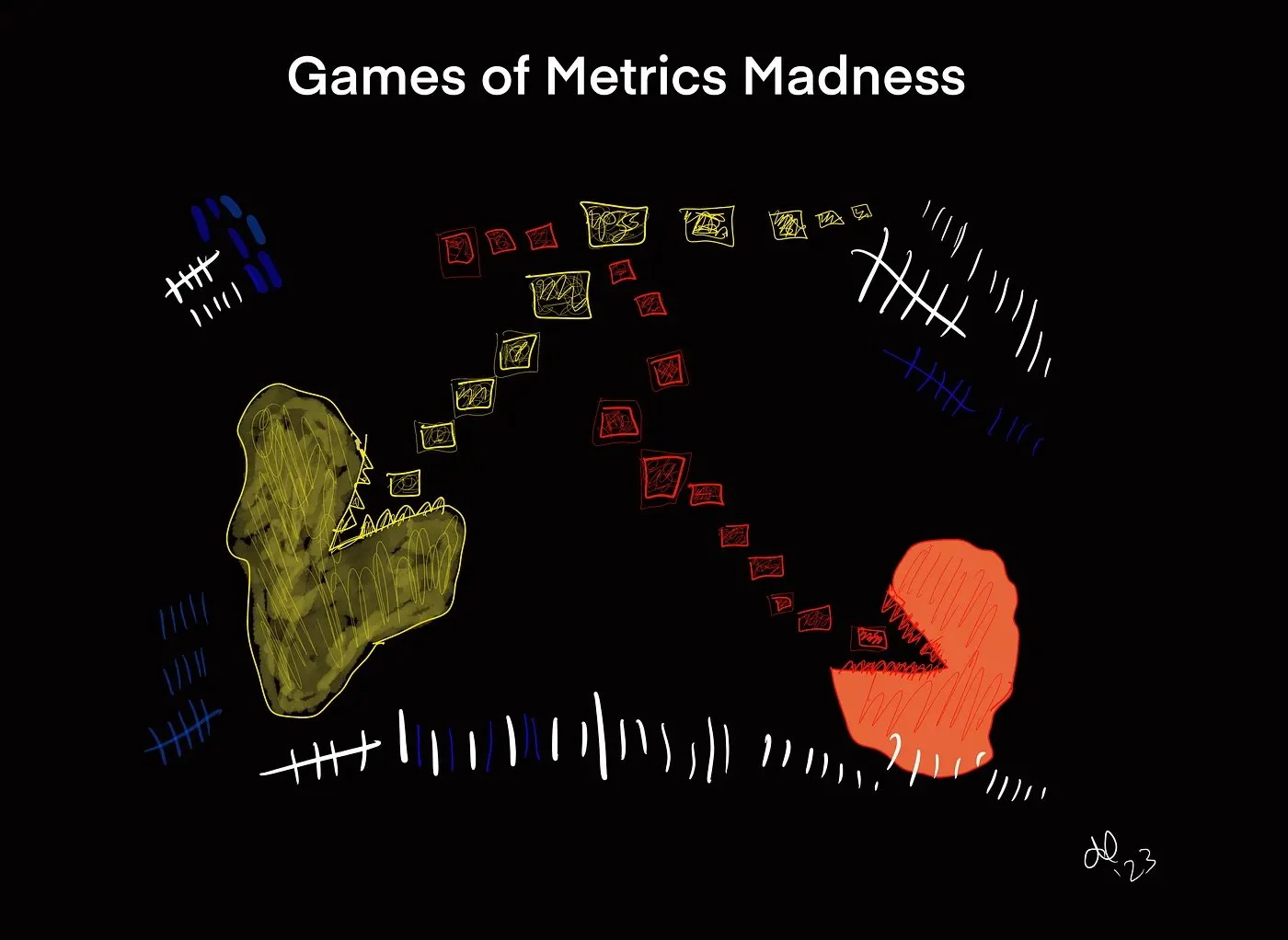
And maybe let’s not jump so quickly to Confirmation Bias, suggesting that successful creators — who promote obsessing over stats — were successful because they obsessed over stats.
Which, in turn, suggests that those who don’t make it must not have obsessed about their stats enough. This is also “survivor bias”.
For example, when I started a newsletter in December 2022, I was at Zero. Notta. Zilch.
It took me many months to get 100 subscribers. It took me many months to get more than two likes on a free weekly newsletter issue (and that wasn’t family).
When I started on Medium in the summer of 2022, I did not get to 100 Followers until December of that year. I didn’t make over $100 in a month until well over a year after joining — and publishing a lot.
The only metric that mattered was the time I put into writing and posting, as well as learning about various platforms, strategies, and approaches. Plus, the self-reflection and personal growth related to these endeavours. The rest of the metrics were largely bullshit, empty fluff, and a waste of time and energy to obsess about.
Thankfully, I’ve been able to increase subscribers, followers, and connections across multiple platforms. However, much of this is still fluff. Likes and Followers do not equate to income earned.
A Different Approach
In comparison to what I see suggested by some apparent online gurus, you might as well be collecting belly-button lint in a jar or gnat-dung in summer and tabulating these.
Realistically, those two metrics might actually be more helpful for your long-term sustainability in The Creator Economy than obsessing about ‘likes’, ‘impressions’ and ‘followers’.
I theorize (at this point) that too many folks drop out of The Creator Economy early because they become too obsessed and attached to metrics — and largely because more successful Creators say so.
Who doesn’t want to see increases in “likes” and “subscribers” and “followers” and so on?
The problem with getting too wrapped up in Bullshit Mountain metrics is that it can dwindle confidence and desire to keep writing, keep posting, and learning along the way.
It can be darn difficult to have a look at the data, at the number of (or lack of) “likes”, at the number of (or lack of) new Followers, and not compare to others that have higher numbers, higher engagement, and higher earnings.
As soon as you do this, you’re getting pulled away from your own authenticity and authentic path. It’s a balancing act.
It’s unfortunate to see so much attrition as there are some fantastic opportunities and benefits to be realized in this realm. (And it doesn’t require walking away cold turkey from steady employment)
How Can Publishing Online Be Beneficial for “Creators”
Based on a reading of the previous section, it might be fair to conclude that I’m cynical about The Creator Economy. But I’m not.
I’m hopeful and deeply engaged. This concept and reality of The Creator Economy is an incredible opportunity for educators (and more). It’s also forecast to almost double over the next 2–3 years.
I agree wholeheartedly with reports like the one from The Leap, pointing to education — or “Creator Educators” they call it — EduCreators, others call it — as one of the biggest and most valuable sectors to be involved in.
Writing and posting online is such a valuable and potentially soul-filling (not soul-shrivelling) endeavour. I find so much enjoyment, personal growth, and opportunity in participating in The Creator Economy (in a variety of ways).
For example, consider the experience below which occurred about six months into my journey of cutting the strings on salary employment.
Opportunities come Knocking
About six months into walking away cold turkey and trying to recover and replenish my soul after a decade+ of it being shrivelled like a raisin… A former colleague reached out on LinkedIn.
This was a colleague who worked in an area, a sector, and building a non-profit organization — that I support and agree with. They asked if I was available to assist a non-profit organization with some writing.
“Sure!” I said.
One small-ish project grew into another project, grew into another project, grew into a contract that is now a solid part of my consulting and services side of the digital writing business (18 months later).
This was not because — as many apparent online gurus profess one should do — I was “writing to my audience”. This was not because I had “niched down”. This was not because I’d spent painstaking hours identifying my “personal brand”.
(I find all these to be bullshit).
It was early days for me in The Creator Economy. I was simply writing and posting things across various social media platforms. I was experimenting and learning how different platforms worked. I was studying other people and their posting strategies and business models.
I was also building a content library and learning to observe how different things land in the digital sphere. My attitude was ‘likes’ are nice, but they are not my measure of worth or value.
In essence, I was learning from other EduCreators. But, more importantly, I was writing (and researching plus synthesizing) things that were important to me and that I wanted to be working on. All within my value system and sense of ethics.
In other words, my authentic ways of doing and being.
And, probably, MOST importantly, I was identifying things I did NOT want to do in the online world, in The Creator Economy, in my digital writing and consulting business.
Airline Wisdom Approaches
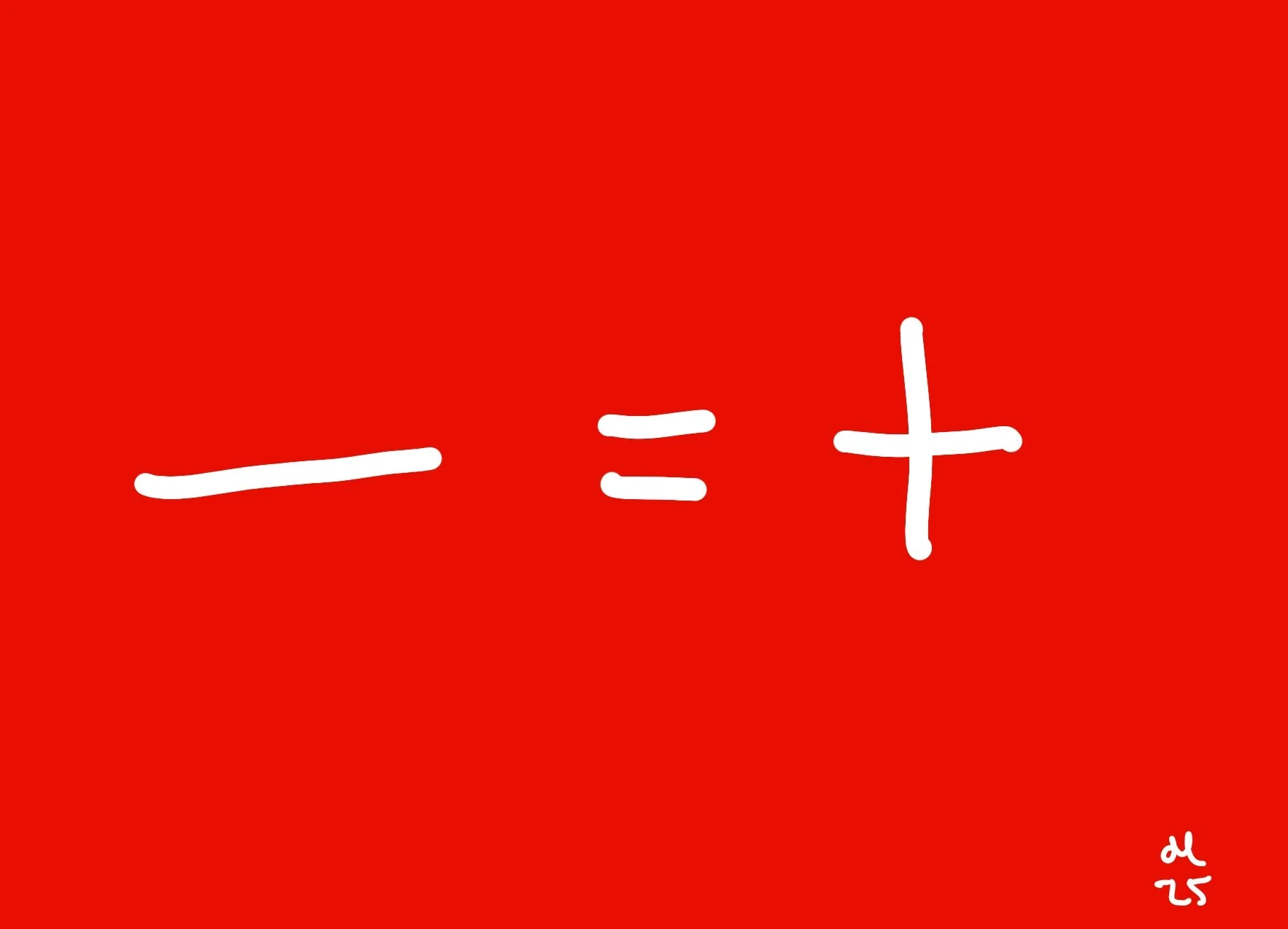
I have adopted what I’ve been calling an “Airline Wisdom” approach to creating online. (Put my oxygen mask on first, and then assist others)
A question I keep central in my online building and publishing:
Why would I exit soul-shrivelling workplaces to then re-create digital enterprises that in turn shrivel my soul?
That makes no sense.
And, thus, this deeply satisfying journey into the idea of what I’ve been calling being a Soul Proprietor. Of doing and engaging in Solopreneurship and Soulpreneurship.
I do this by engaging the power of the Internet and the vast potential of social media — especially for publishing my own writing (and illustrations).
Press enter or click to view image in full size
Author’s image
I have intentionally designed and built a business of one — Box Cutter Co. (including my consulting and ghostwriting gigs) — to support a soul-filling life and lifestyle (not the opposite).
I think, create, synthesize, write and publish online almost every day — across multiple platforms. And, not AI-generated, global soul-shrivelling drivel. I’m driven to share thoughts and writing for humanity, not for machine learning.
This is where I find and live in my authenticity.
To Create — Means “To Grow”
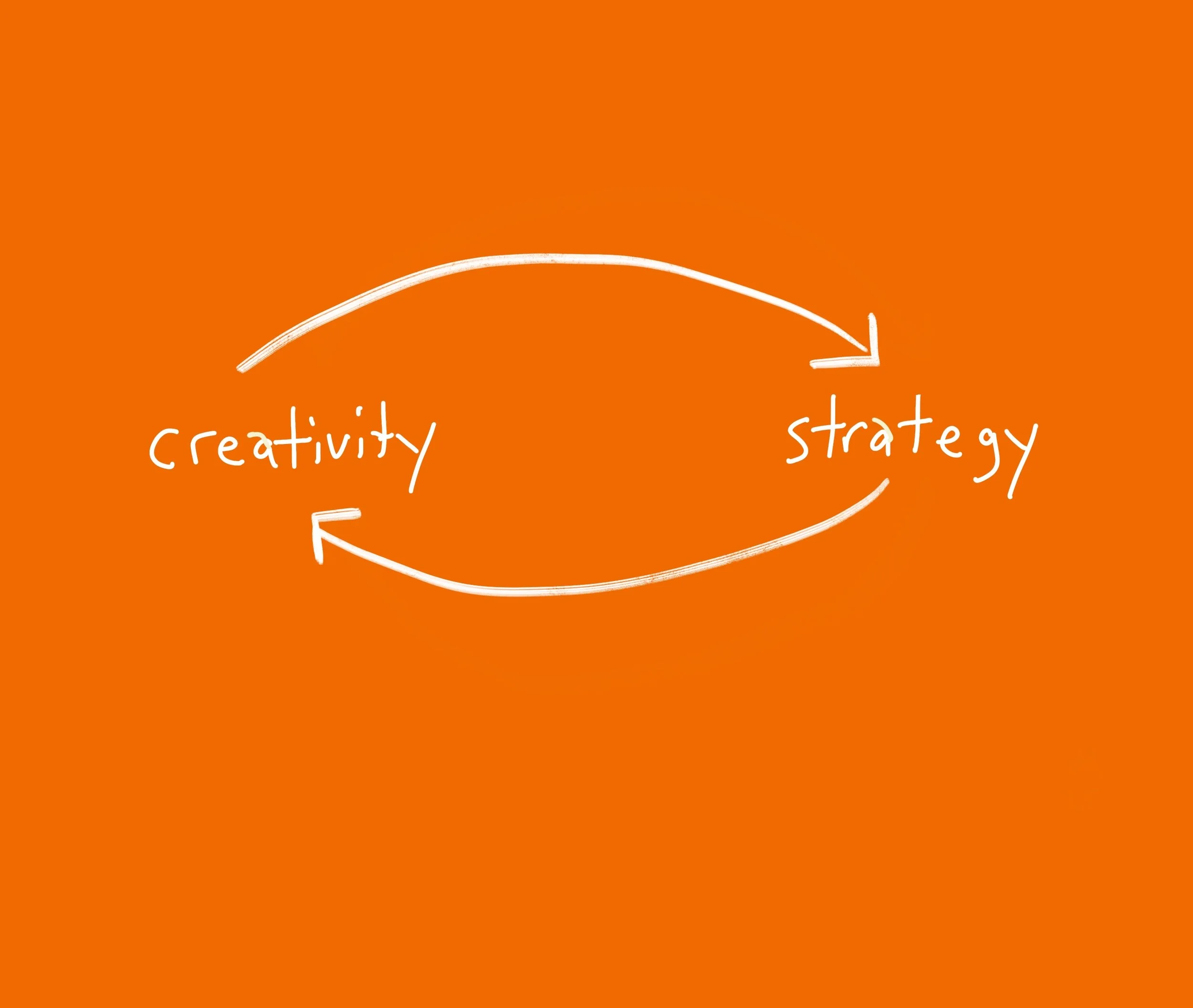
The word create — going back thousands of years — comes from the Proto-Indo-European root *ker- meaning “to grow.”
In my journey over the past two years, to be a ‘Creator’ in The Creator Economy is about growth. Personal and professional (granted I see no separation).
I’ve continued writing, posting, experimenting, and learning (plus unlearning). The stories I’ve published, my weekly newsletter, and the courses I’ve published (free and paid versions) are all part of that process. As are the consulting and ghostwriting projects I work on.
The critically important distinction I find is supported by a key question: Growth in what?
For example, I ask myself, and I ask you:
Do you want to ‘grow’ fluffy, fake, inauthentic metrics attached to ‘Followers’ or ‘Subscribers’ or ‘Likes’?
Or, do you want to ‘grow’ personally, authentically, and in genuinely sustainable business ways?
In this sense, ‘sustainable’ doesn’t only mean in an ‘income’ sense, it also means in a ‘personal’ and ‘soul’ sense. For example, finding myself ghostwriting for an organization or someone who wants me to peddle bullshit — is not soul-fully sustainable.
So I don’t do it, even if it means foregoing income.
In the first few years, building a library of content is a powerful way to deepen impact and cultivate self-knowledge — especially when this remains connected to your authentic self.
It also positions you to solve your own challenges (maybe even problems), and then share how you did that with others.
That’s the Auto (Self) that is ‘being’ and ‘doing’ things.
Authenticity. And just as the folks at Merriam-Webster suggested — the more you and we question it, the more we value it.
And no algorithm can measure that for you. Only you can.
How are you navigating this in your creator journey? (leave a comment, would love to hear)
Maybe you disagree with my thoughts? (would love to hear that too)